Are you wondering how much it will cost to get your roof inspected? Look no further! We’ve got the 6 best ways to estimate roof inspection costs right here.
Whether you prefer local roofing contractors or online cost estimators, we’ve got you covered. Don’t forget about insurance company guidelines and DIY roof inspection tools.
And if you want the most accurate assessment, professional roof inspection services and consulting with multiple roofing companies are the way to go.
Let’s dive in and find the perfect fit for you.
Key Takeaways
- Local roofing contractors possess expertise in specific roofing materials and local building codes, providing accurate estimates based on local materials and knowledge of common roofing problems.
- Online cost estimators provide quick and accurate estimates based on roof size, type, and materials, eliminating the need to contact multiple contractors for quotes and offering convenience and accessibility.
- Insurance companies provide specific guidelines for estimating roof inspection costs, including the need for detailed documentation and following specific requirements for the qualifications of the roofing contractor.
- DIY roof inspections using essential tools and training can save money, help identify common roof issues, and provide homeowners with the ability to conduct thorough inspections.
Research Average Inspection Costs in Your Area
When estimating the cost of a roof inspection, it’s important to research average inspection costs in your area. Local cost variations can significantly impact the overall price, so it’s crucial to gather information specific to your location.
Factors such as the size and type of roof, the complexity of the inspection, and the experience of the inspector can also affect the cost.
Local Cost Variations
For an accurate estimate of roof inspection costs in your area, it’s essential to research the average inspection costs specific to your locality. Local cost variations can significantly impact the overall expense of your roof inspection.
Conducting a thorough analysis of the local market will help you understand the prevailing rates and make an informed decision. Start by reaching out to local roofing companies or contractors to gather quotes and compare prices. Consider factors such as the size of your roof, its condition, and any additional services required.
It’s also worth checking online resources, such as local directories or forums, to get an idea of the average inspection costs in your area. Keep in mind that prices may vary depending on your location. Factors such as the cost of living, competition among roofing companies, and the availability of materials can all influence the final price.
Factors Affecting Inspection Costs
After researching the local market and analyzing the cost factors, we can now delve into the factors that affect inspection costs, specifically focusing on the average inspection costs in your area.
One important factor to consider is the type of roofing material used. Different roofing materials require different levels of expertise and effort to inspect, which can impact the cost. For example, inspecting a roof made of clay tiles may require more time and specialized knowledge compared to inspecting a roof made of asphalt shingles.
Another factor that affects inspection costs is the impact of weather conditions. Extreme weather events, such as storms or heavy snowfall, can cause damage to roofs, resulting in the need for a more thorough inspection.
Additionally, inspections performed during peak seasons, when demand is high, may also come with a higher price tag due to increased competition among roofing professionals.
Evaluate the Need for Specialized Equipment
One important factor to consider is the number of specialized equipment required for the roof inspection. The use of specialized equipment can greatly impact the overall cost of the inspection. It’s crucial to evaluate the need for specialized equipment to make an accurate estimate.
Specialized equipment, such as drones, thermal imaging cameras, and moisture meters, can provide more detailed and accurate information about the condition of the roof. This can help identify any hidden issues or potential problems that may not be visible to the naked eye.
While the cost of using specialized equipment may be higher, the benefits outweigh the costs. The use of specialized equipment can save both time and money in the long run by identifying issues early on and preventing further damage.
Therefore, it’s important to consider the specialized equipment costs and the benefits of using such equipment when estimating roof inspection costs.
Take Into Account Travel Distance and Expenses
To accurately estimate roof inspection costs, it’s important to consider the travel distance and associated expenses. When hiring a roofing contractor, it’s common for them to charge a fee based on the distance they need to travel to reach your location. This fee typically covers their transportation costs, including fuel, tolls, and vehicle maintenance.
Additionally, some contractors may require travel reimbursement if they have to travel a significant distance to inspect your roof. It’s crucial to factor in these travel expenses when estimating the overall cost of the inspection. However, it’s also essential to keep your budget constraints in mind.
If the travel expenses exceed your budget, you may need to consider finding a local contractor to avoid additional costs.
Insurance Company Guidelines
Insurance companies often provide specific guidelines for estimating roof inspection costs. These guidelines are designed to ensure a smooth insurance claim process and help homeowners understand the common roof inspection issues that may arise.
When it comes to roof inspections, insurance companies typically require detailed documentation, including photographs and written reports, to assess the condition of the roof accurately. They may also have specific requirements for the qualifications and experience of the roofing contractor conducting the inspection.
Insurance companies want to ensure that the inspection is thorough and covers all potential issues, such as missing or damaged shingles, leaks, or structural damage. By following these guidelines, homeowners can navigate the insurance claim process more efficiently and increase their chances of receiving fair compensation for any roof damage.
DIY Roof Inspection Tools
While conducting a DIY roof inspection, it’s helpful to utilize various tools and equipment. These tools can assist in providing a thorough assessment of the roof’s condition and identifying any potential issues.
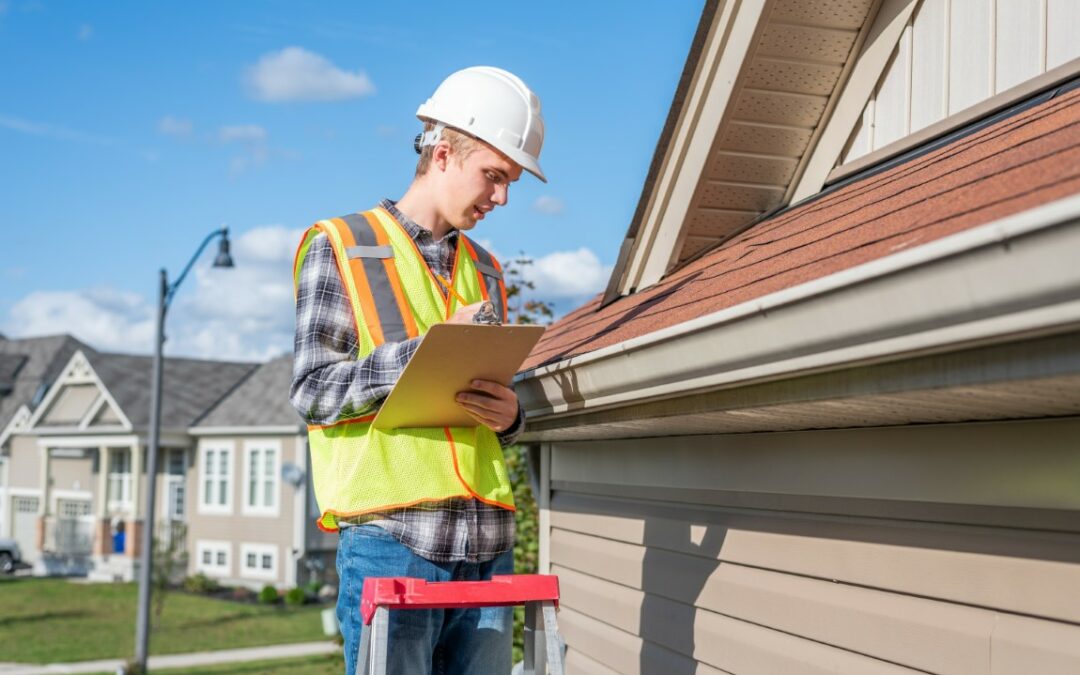
One essential tool is a ladder, which allows access to the roof for a closer inspection. Additionally, a flashlight is necessary to properly examine dark or shaded areas. A pair of binoculars can be used to inspect the roof from a distance, especially for larger properties.
Other useful tools include a tape measure to measure the size of any damage, a camera to document findings, and a notepad to record observations. It’s also important to refer to a roof inspection checklist to ensure all necessary areas are examined.
For those without prior experience, roof inspection training can provide valuable knowledge and expertise in performing a thorough assessment. By utilizing these tools and resources, homeowners can confidently conduct their roof inspections.
Professional Roof Inspection Services
When it comes to roof inspections, there are two main options to consider: DIY inspections and professional services. While DIY inspections can save you money, it’s important to recognize the limitations of your expertise and equipment. Professional roof inspection services offer the benefit of trained experts who can identify potential issues that may go unnoticed by an untrained eye.
Cost-Saving DIY Roof Inspections
We can save money by conducting our roof inspections using cost-saving DIY methods or hiring professional services. However, it’s important to consider the pros and cons of each option.
DIY inspections can be cost-effective alternatives, especially for those who are skilled and comfortable working at heights. By inspecting the roof ourselves, we can identify common roof issues such as loose shingles, leaks, or damaged flashing. This allows us to address these issues promptly and potentially prevent further damage.
On the other hand, hiring professional roof inspection services ensures a thorough and expert assessment of the roof’s condition. Professionals have the necessary tools, knowledge, and experience to identify even the most hidden problems. They can provide detailed reports, and recommendations, and even help with repairs if needed.
Ultimately, the choice between a DIY inspection and professional services depends on our comfort level, expertise, and the complexity of the roof issues we’re dealing with.
Importance of Professional Expertise
So, how can professional roof inspection services provide the expertise needed to ensure a thorough assessment of the roof’s condition?
Hiring professionals for roof inspections offers several benefits that can help homeowners make informed decisions and avoid potential risks associated with DIY inspections. Professional roof inspectors have the necessary training and experience to identify even the smallest signs of damage or deterioration. They’re familiar with different types of roofing materials and their specific maintenance requirements.
Additionally, professionals use specialized equipment and techniques to conduct comprehensive inspections, including checking for leaks, assessing the integrity of the shingles, and examining the overall structural stability of the roof. By relying on professionals, homeowners can have peace of mind knowing that their roof is in good hands and any potential issues will be identified and addressed promptly.
On the other hand, DIY inspections can pose risks as homeowners may lack the knowledge and expertise to detect hidden problems or accurately assess the condition of the roof. It’s essential to prioritize safety and seek professional assistance to ensure a thorough and accurate evaluation of the roof’s condition.
Examine Roofing Material Type
When it comes to estimating roof inspection costs, examining the roofing material type is crucial. There are several points to consider in this regard. Firstly, the material cost variations can greatly impact the overall cost of the inspection.
Additionally, the longevity and durability of the roofing material play a significant role in determining the frequency and extent of maintenance and repair needed, which can also affect inspection costs.
Material Cost Variations
After thoroughly inspecting the roof, we’ll examine the type of roofing material used to determine any potential variations in material costs.
The choice of roofing material has a significant impact on the overall cost of the roof replacement. Different materials have different prices, durability, and maintenance requirements. For example, asphalt shingles are a popular and affordable option, while metal roofs tend to be more expensive but offer greater longevity.
Additionally, factors such as the climate and location can also influence the selection of roofing materials. In areas prone to extreme weather conditions, more durable materials like slate or tile may be preferred, albeit at a higher cost.
Longevity and Durability
We assess the longevity and durability of the roofing material to determine its suitability for a roof replacement. Conducting a thorough longevity assessment and durability testing is crucial in ensuring that the chosen roofing material can withstand the elements and provide long-lasting protection for your home.
Different roofing materials have varying lifespans and resistance to wear and tear. For example, asphalt shingles generally have a lifespan of 20 to 30 years, while metal roofs can last 40 to 70 years. The durability of the material also plays a significant role in its longevity. Materials that are resistant to impact, weather, and UV rays tend to have a longer lifespan.
By assessing the longevity and durability of the roofing material, we can make informed decisions about its replacement and ensure the longevity of your new roof.
With a thorough understanding of the roofing material’s longevity and durability, we can now move on to discussing the importance of maintenance and repair in prolonging the lifespan of your roof.
Maintenance and Repair
To ensure the longevity of your roof, it’s essential to prioritize regular maintenance and repairs, taking into account the specific type of roofing material used. Different roofing materials have different maintenance requirements and repair costs, so it’s important to examine your roofing material type when estimating the cost of maintenance and repair.
For example, asphalt shingles may require periodic inspections and repairs for cracked or missing shingles, while metal roofs may need occasional resealing to prevent leaks. Regular maintenance can help identify and address issues early on, preventing costly repairs down the line.
When estimating the cost of maintenance and repair, consider factors such as the material’s lifespan, the extent of damage, and the expertise required for the job. It’s advisable to consult with a professional roofing contractor to get an accurate cost estimation for your specific roofing material.
Consultation With Multiple Roofing Companies
Comparing estimates from various roofing companies is essential to accurately assess roof inspection costs.
When it comes to roof inspections, consulting with multiple roofing companies allows homeowners to explore different options and find the most cost-effective solution. By comparing quotes, you can get a clear idea of the average cost for roof inspections in your area. This not only helps you make an informed decision but also ensures that you aren’t overpaying for the service.
Additionally, consulting with multiple companies allows you to assess their expertise and professionalism. You can ask questions, gather information, and evaluate their knowledge and experience in the field.
Ultimately, this process helps you find a reliable roofing company that meets your needs and provides you with the best value for your money.
The Bottom Line on Roof Inspection Costs
Estimating roof inspection costs doesn’t have to be complicated. Whether you’re getting quotes from local contractors, using an online estimator, or working through your insurance company’s guidelines, the goal is the same: catch problems early before they turn into expensive repairs.
A professional inspection typically costs between $75 and $400, and it’s one of the smartest investments you can make to protect your home. Understanding how roofing warranties affect replacement costs ahead of time means you’ll also know exactly what’s covered if your inspector finds damage.
Don’t wait for a leak to find out what your roof needs. Contact the Southeastern Roofing team today for a professional inspection and an honest estimate.